Crafted with Purpose
Welcome to the collection page of Leonardo Da Vinci! This collection highlights several of Leonardo's most influential works and showcases his mastery of painting, realism, and techniques that transformed the world of art. He focused on accurate human anatomy, natural movement, and emotional expression. He often used light and shadow to create depth, making his paintings appear lifelike.
Lady with an Ermine (1489-1491)
This painting is a renowned High Renaissance oil portrait by Leonardo featuring Cecilia Gallerani, mistress of his patron Ludovico Sforza, Duke of Milan. It is housed at the Czartoryski Museum in Krakow, Poland. The subject's posture and gaze create a sense of motion, while the ermine represents purity. Another example of Leonardo's ability to combine realism with symbolism.


Mona Lisa (1503-1506)
The Mona Lisa is Leonardo da Vinci’s most famous painting and is known for its realistic detail and subtle expression. Leonardo used the technique of "sfumato" to blend colors smoothly, creating soft transitions between light and shadow. This method gives the subject a lifelike appearance and emotional depth that was groundbreaking for its time. It is housed in the Louvre Museum in Paris, France.
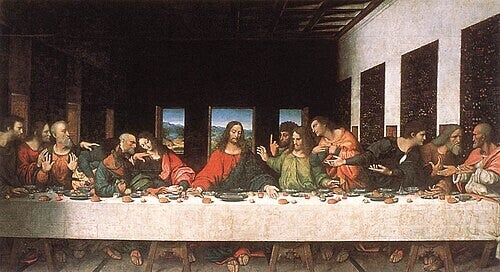
The Last Supper (1495-1498)
This painting is housed in the refectory of the Convent of Santa Maria delle Grazie in Milan, Italy. It depicts the moment Jesus announces that one of his disciples will betray him. Leonardo focused on movement, facial expressions, and body language to show each figures shock and confusion. This artwork is considered revolutionary because of its dramatic storytelling and balanced composition.
Create Your Own Website With Webador