Claude Monet
Claude Monet was a founder of Impressionism, known for capturing light and nature in a way that changed how people saw art forever.
History/Awards
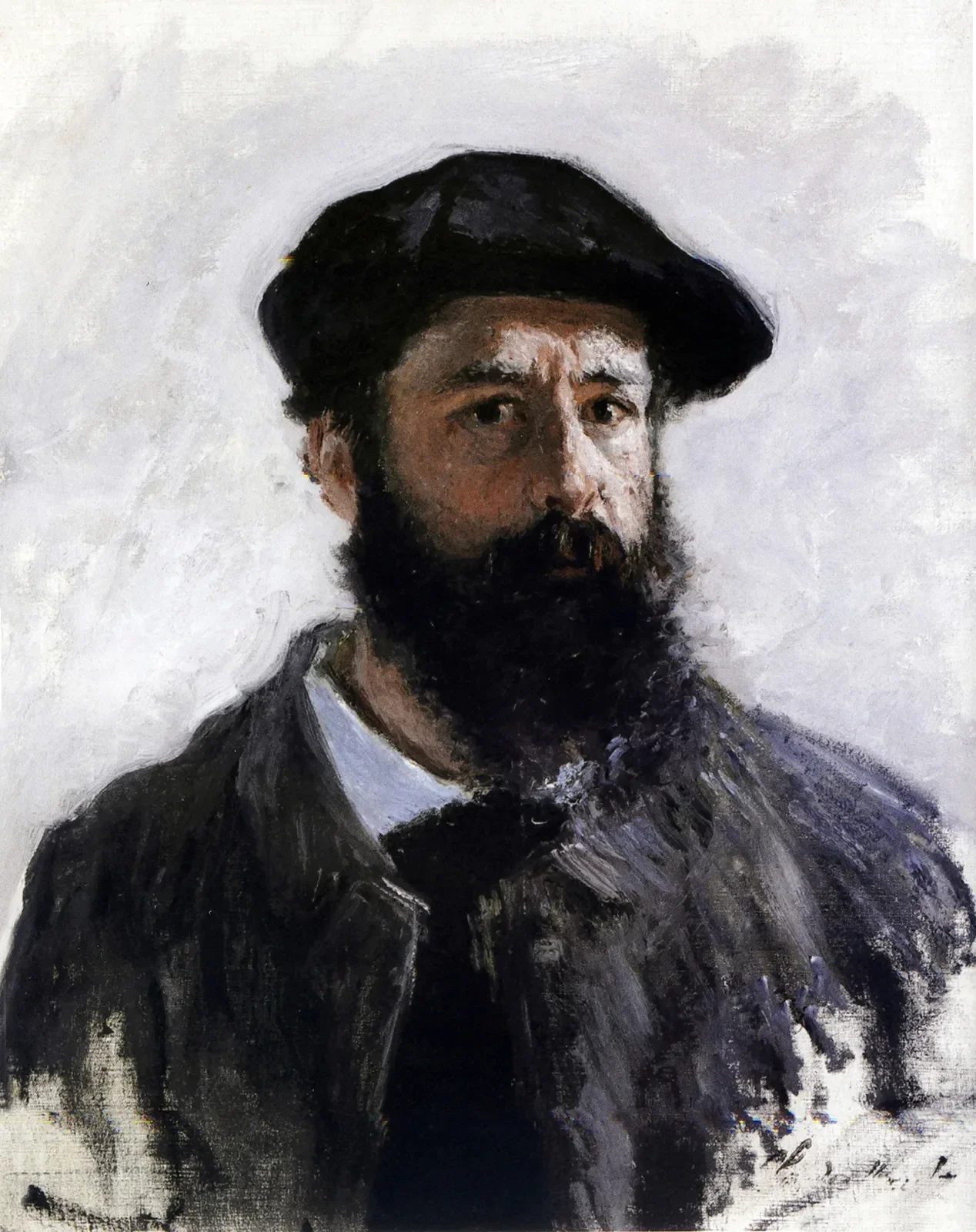
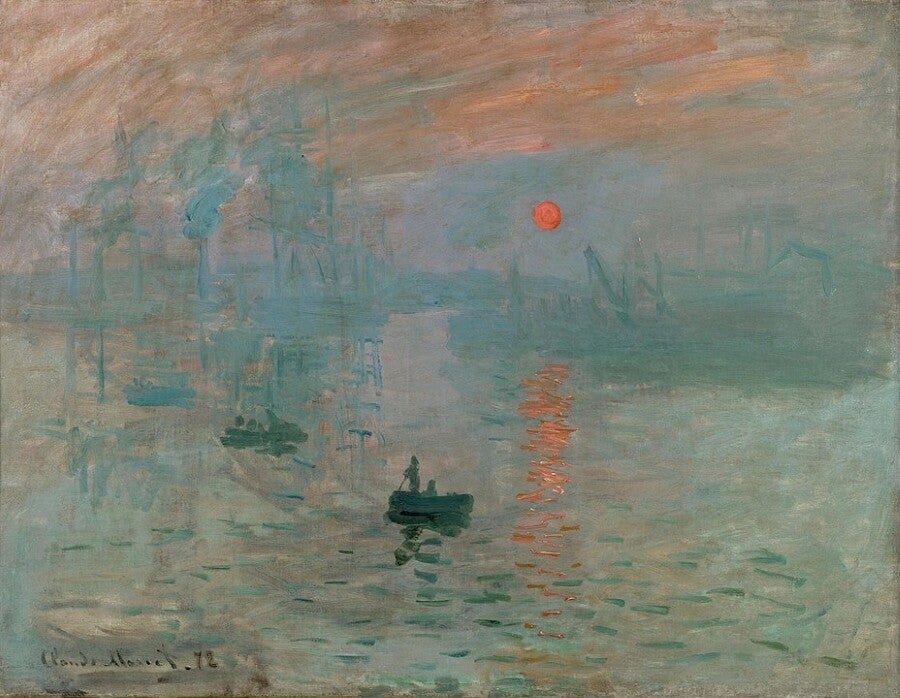
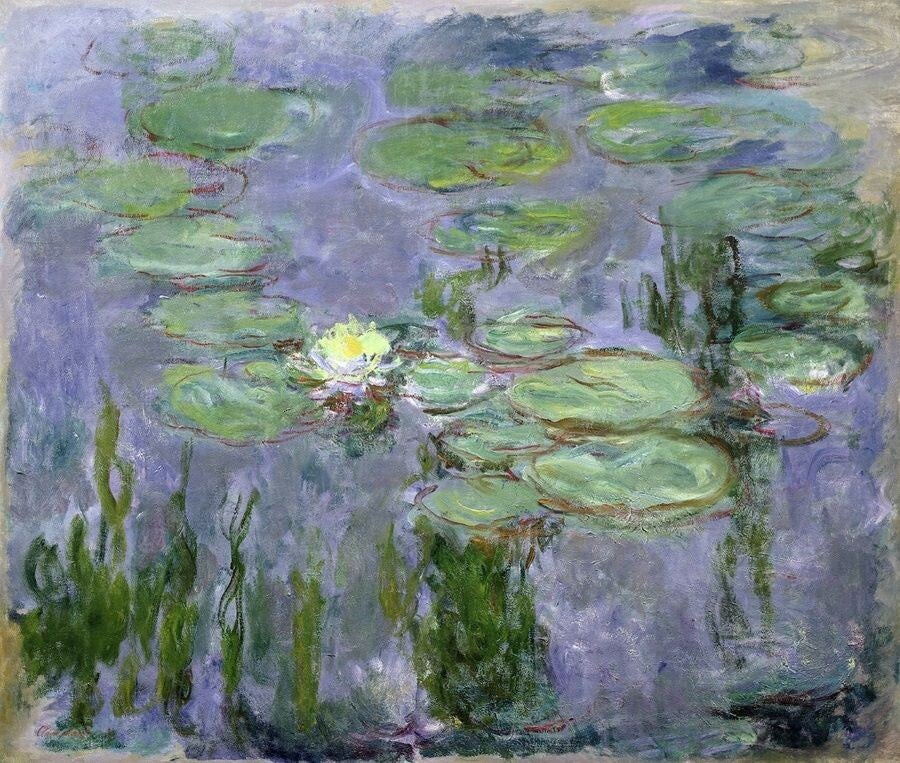
Claude Monet was born in Paris, France, in 1840, and showed artistic talent from a young age. He became one of the leading figures of the Impressionist movement, a style that focused on capturing moments, light, and atmosphere rather than perfect detail. His painting Impression, Sunrise actually gave the movement its name. Although his work was criticized early in his career, Monet continued developing his style and eventually gained recognition worldwide. Later in life, he created his most famous works in his garden at Giverny, especially his Water Lilies series, which are now some of the most celebrated paintings in history.
Form/Style
Monet’s style focused on capturing light, color, and movement rather than sharp details. He used quick, loose brushstrokes and often painted the same scene multiple times at different times of day to show how lighting changes everything. His work emphasized nature, especially gardens, water, and landscapes, creating a soft and almost dreamlike effect. Instead of realistic lines, he blended colors to give the feeling of a moment rather than a precise image. This approach made his art feel alive and constantly changing.
Appreciation
Claude Monet’s work is appreciated because it changed how people experience art, focusing more on feeling than perfection. His paintings allow viewers to slow down and notice the beauty in everyday moments, like sunlight reflecting on water or the calmness of a garden. Today, his influence can be seen in modern art, photography, and even design. Many people connect with his work because it feels peaceful and emotional, showing that art doesn’t have to be exact to be powerful. His legacy continues to inspire artists to see the world in a more creative and expressive way.
"To see we must forget the name of the thing we are looking at."
Claude Monet
Create Your Own Website With Webador